Starting a Foraged Mushroom CSA: A Step-by-Step Guide
category
Blog General
Author
Foraged
date
04.04.23
read time
6 minutes
Are you a mushroom enthusiast looking to turn your passion into a business? Have you considered starting a foraged mushroom CSA? Community Supported Agriculture, or CSA, is a model where members subscribe to a share of a farm's harvest, receiving regular deliveries of fresh, seasonal produce. By starting a foraged mushroom CSA, you can provide your community with access to unique, hard-to-find ingredients directly from foragers, farmers, and artisans, all while supporting family farms and sustainable practices.
Starting a foraged mushroom CSA can be a daunting task, but with a little planning, it can be a rewarding and profitable venture. In this step-by-step guide, we will take a look at what a foraged mushroom CSA is good for, understanding foraged mushrooms, setting up your CSA, establishing your distribution model, maintaining and growing your CSA, marketing your foraged mushroom CSA, and legal and regulatory considerations.
What is a Foraged Mushroom CSA good for?
Foraged mushroom CSAs provide an opportunity for mushroom enthusiasts to share their passion with their community while supporting sustainable practices. Foraged mushrooms are unique, hard-to-find ingredients that can add depth and complexity to dishes. They are often found in small quantities and are not widely available in traditional markets. A foraged mushroom CSA allows members to receive fresh, seasonal mushrooms directly from foragers and farmers, often within hours of being harvested. Additionally, foraged mushrooms are a sustainable alternative to cultivated mushrooms. They are free from pesticides and other chemicals and are often harvested from lands that are not suitable for farming, reducing the impact on agricultural land.
Understanding Foraged Mushrooms
Before starting a foraged mushroom CSA, it is important to have a basic understanding of foraged mushrooms. Not all mushrooms are created equal, and some can be toxic. Here are some key things to consider when starting a foraged mushroom CSA:
Types of foraged mushrooms to find
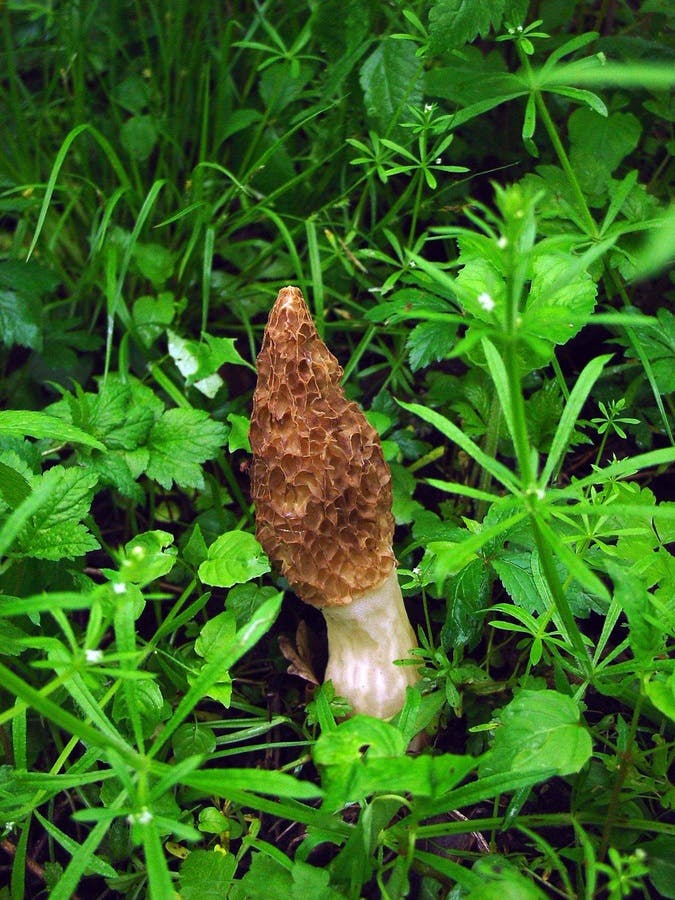
There are many different types of foraged mushrooms, each with its own unique flavor, texture, and characteristics. Some popular types of foraged mushrooms include morels, chanterelles, porcini, and shiitake. It is important to research the types of mushrooms you plan to include in your CSA and become familiar with their unique characteristics.
Finding foraged mushrooms
Foraged mushrooms can be found in a variety of places, including forests, meadows, and even in urban areas. It is important to research the areas where you plan to forage and become familiar with the types of mushrooms that can be found in those areas. It is also important to obtain any necessary permits or permissions before foraging.
Safety Considerations When Foraging for Mushrooms
Not all mushrooms are safe to eat, and some can be toxic. It is important to become familiar with the types of mushrooms that can be found in your foraging area and learn how to identify them. It is also important to follow safe foraging practices, including wearing appropriate clothing, using a mushroom knife or scissors, and properly storing and transporting your mushrooms.
Setting Up Your Foraged Mushroom CSA
Once you have a basic understanding of foraged mushrooms, it is time to start setting up your foraged mushroom CSA. You can either forage for mushrooms yourself or partner with local foragers. Foraging yourself can be a cost-effective option, but it requires a significant amount of time and effort. Partnering with local foragers can be a good option if you do not have the time or resources to forage yourself. You can also consider partnering with local farmers who may have access to foraged mushrooms on their land.
Establishing relationships with local farmers and landowners can be beneficial for your foraged mushroom CSA. Farmers may have access to foraged mushrooms on their land, and landowners may be willing to grant permission to forage on their property. Building relationships with these individuals can also help to create a sense of community around your foraged mushroom CSA.
Foraging for mushrooms can have an impact on the environment if not done sustainably. It is important to create a sustainable foraging plan that takes into account the impact on the environment and ensures that foraged mushrooms are harvested responsibly. This can include things like leaving some mushrooms behind to allow for continued growth, avoiding foraging in sensitive areas, and properly disposing of any waste.
Establishing Your CSA Distribution Model
Once you have a plan in place for sourcing your foraged mushrooms, it is time to establish your CSA distribution model. Here are some key things to consider:
Determining membership types and pricing
You will need to determine the types of memberships you will offer and the pricing for each membership. This can include things like weekly or monthly deliveries, different types of mushrooms, and different quantities of mushrooms.
Deciding on delivery options: pickup points, home delivery, or both
You will also need to decide on delivery options for your CSA. This can include pickup points, home delivery, or both. It is important to consider the logistics of each option and ensure that you are able to meet the needs of your members.
Creating a communication plan for members
Creating a communication plan for your members is important for building community and keeping members engaged. This can include things like a weekly newsletter with recipes and tips for using the mushrooms, social media updates, and events like mushroom foraging walks or cooking classes.
Once your foraged mushroom CSA is up and running, it is important to focus on maintaining and growing your business. Here are some key things to consider.
Listening to and incorporating member feedback is important for the success of your foraged mushroom CSA. This can include things like adjusting pricing or delivery options, offering new types of mushrooms, and improving communication with members.
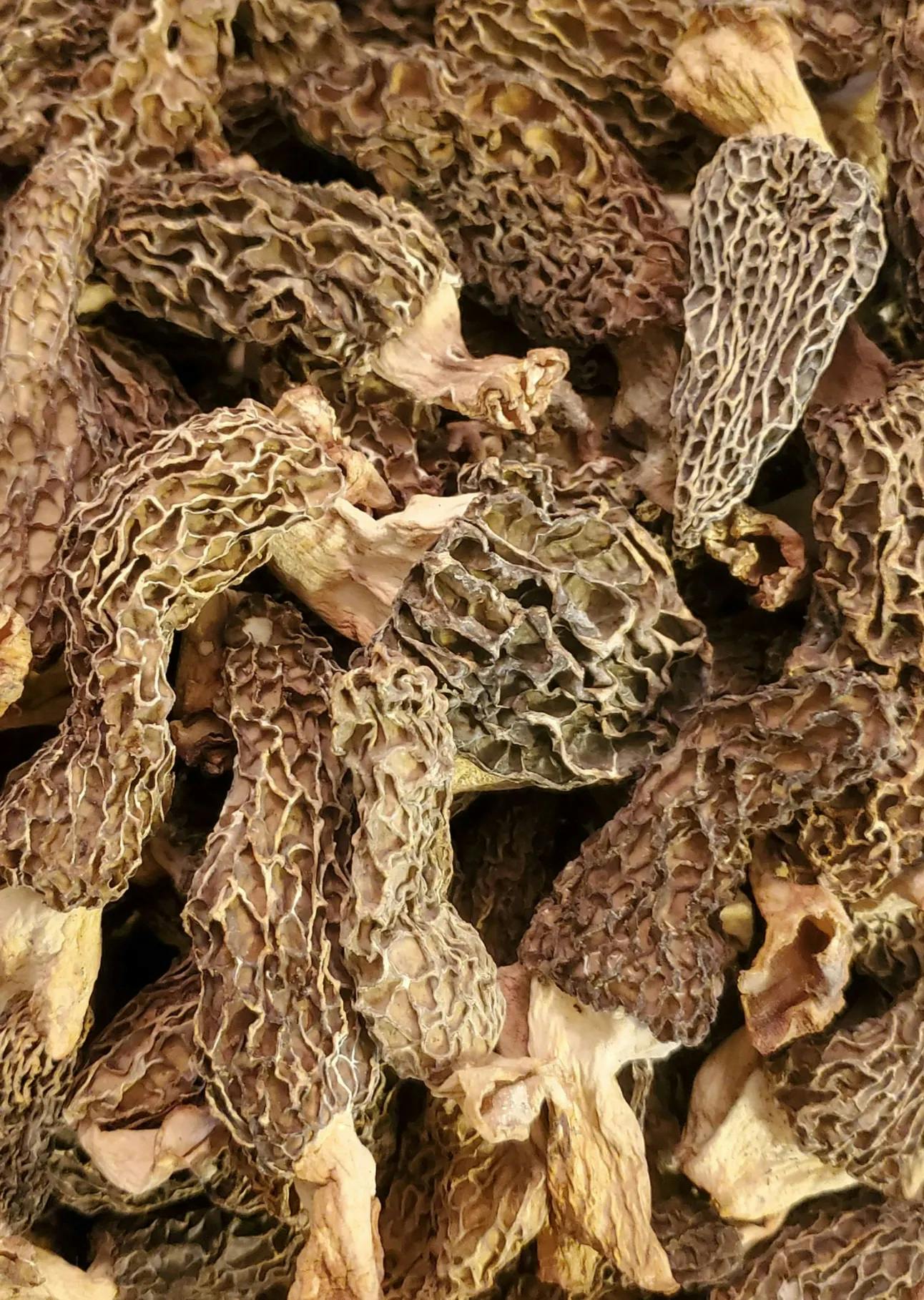
Expanding your offerings with new mushroom varieties or complementary products can help to attract new members and keep current members engaged. This can include things like offering dried mushrooms or mushroom-based products like sauces or soups.
Keeping your members engaged and informed is important for building a sense of community around your foraged mushroom CSA. This can include things like hosting events, offering cooking classes or workshops, and creating a sense of excitement around the arrival of each week's mushrooms.
Creating a community around your CSA and foraged mushrooms can help to build a loyal customer base and increase the success of your business. This can include things like hosting events, creating a social media presence, and offering opportunities for members to connect with each other.
Marketing Your Foraged Mushroom CSA
Marketing your foraged mushroom CSA is important for attracting new members and increasing the success of your business. Here are some key things to consider:
Creating a website or social media presence to showcase your business and attract new members
Offering discounts or promotions for new members
Partnering with local restaurants or chefs to showcase your mushrooms
Attending local farmers markets
Hosting events or workshops to showcase the benefits and uniqueness of foraged mushrooms
Utilizing word-of-mouth marketing through current members and their networks
Legal and Regulatory Considerations
It is important to be aware of the legal and regulatory considerations when starting a foraged mushroom CSA. Here are some key things to consider:
Make sure you have the proper permits and licenses to sell foraged mushrooms in your area
Understand the regulations around foraging on public land versus private land
Ensure that you are following safe food handling practices to prevent any illnesses among your members
Have liability insurance to protect your business in case of any accidents or injuries related to your foraged mushrooms
Closing Considerations
Starting a foraged mushroom CSA can be a rewarding and unique business opportunity. By providing your community with access to rare and hard-to-find ingredients directly from foragers, farmers, and artisans, you can support sustainable practices and local agriculture while building a sense of community around your business. By following the steps outlined in this guide, you can create a successful and thriving foraged mushroom CSA that benefits both your business and your community.
At Foraged, we’re on a mission to empower small-scale food purveyors to grow healthy, sustainable businesses while nourishing everyday people by providing easy access to unique foods.
By supporting Foraged vendors, you're helping to build a better, more sustainable food system for everyone.
Plus, we're committed to doing things the right way - our platform puts the power back in the knowledgeable hands of those who grow, harvest, and create foods most responsibly.
And we don't just stop there, we also want to make sure you know how to cook and preserve the specialty foods you source from Foraged, which is why we provide educational resources and delicious recipes for you to try.
Did you learn a lot from this post about selling food online?
Here are three more posts to read next:
make something wild
Need some inspiration or insight on how to use your new goods? We got it.